
 There is an elderly gentleman who frequents my work a few times a week. His order is exactly the same, rain or shine. Two slices of raisin toast, lathered with copious amounts of butter on both sides, as soon as they come out of the oven, and then run out to him whilst they are still piping hot. His face breaks into the biggest crooked smile when you present the plate of hot, melty-buttery toast to him and you just know that it has made his day. Even when work’s frantic and you’ve hardly got time to breath, let alone be fussed trying to butter both sides of the toast without dropping it or smearing butter all down your front, it’s worth the effort just to see his reaction. And after observing this gentleman for a number of weeks, I’ve reached the conclusion that most of his enjoyment lies in the process of eating the toast. Relishing every mouthful. Continue reading
 Put your hand up if the word ‘offal’ sends you into a fit of dry retching. There we go, don’t be shy. You’re far from alone. What is it about that particular category of meat that causes so many people to run and hide their head in a cupboard until the threat has passed? Is it the texture? The flavour? The smell? All three? Or perhaps because it has undeniably come from another once living, breathing organism? You can pretend that a piece of steak is a funny looking vegetable or that the cubes of chicken in your curry are magical titbits of protein and flavour, but a brain, well that’s a different story. I’d wager a bet that if you don’t like bones in your meat, you most definitely shirk from the idea of offal. And I must admit that the concept of eating a brain is a little confronting, if not downright nauseating. I think it has something to do with fact that you yourself are able to think about the topic whilst munching away on a fellow animal’s thought powerhouse. I don’t know about you but that a) prompts the reaction “ick” and b) gives me an unexplainable (and most likely sympathy related) headache. But hang on, I actually want to delve into the good things about offal. Yes, would you believe it, there actually are. Let’s get started shall we?
  I do hope that you have a penchant for bread. Why? Well you can expect a whole lotta bread-related recipes to come your way in the following weeks. I have just started working at a local gourmet sandwich bar/café (and before you ask, no, it’s not Subway). Whilst this particular enterprise does a commendable job of minimising it’s food waste there is almost always bread left over at the end of the day. In the beginning it was like Christmas come early – trudging home reeking of putrid dishwashing water didn’t feel quite so bad when armed with bags of soft, pillowy café-style bread. But when that occurs after every shift we begin to hit a slight glitch – our household barely goes through a loaf of bread a week. So slowly but surely our very small freezer has begun to fill with white, multigrain, whole-wheat and rye specimens, all shoved in higgeldy-piggeldy. By Saturday night it had reached a crisis point – now each time one opens the freezer door they are in severe danger of being knocked out by a falling loaf of bread. I almost felt obliged to put up a sign saying “warning bread overhead” but the decided it was probably better to keep the lame rhymes to myself.
 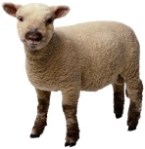 This post is not intended to put you off eating meat/poultry/fish. I don’t believe in forcing one’s opinions and way of life onto others. I do hope, however, that it will prompt you to reconsider how much you value the hunk of muscle on your plate. It doesn’t sound very appetising when put that way, does it? When I used to eat meat, it had to look nothing like the body part it came from. I remember being revolted at finding little feathers on my barbequed chicken wings. They didn’t seem so finger-licking tasty after that. We used to loan some of our land to a neighbouring sheep farm and in return would receive a butchered lamb. Dad used to torment my sister and I by saying that it was our favourite one (i.e. the cutest & cuddliest). At the time his teasing seemed plain mean but looking back on that now, I think he was onto something. Becoming detached from the origins of the meat we eat, whether it be by happenstance or intentionally, has consequences.
 Taste Without Waste